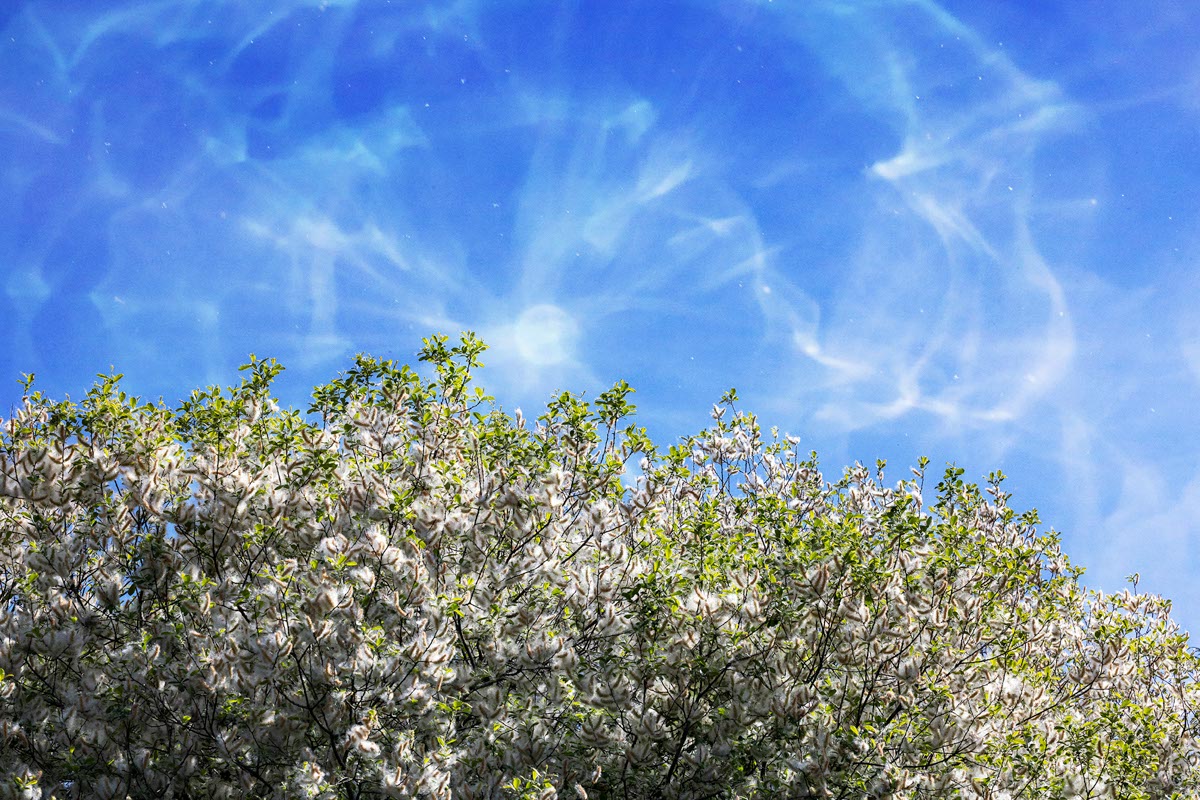
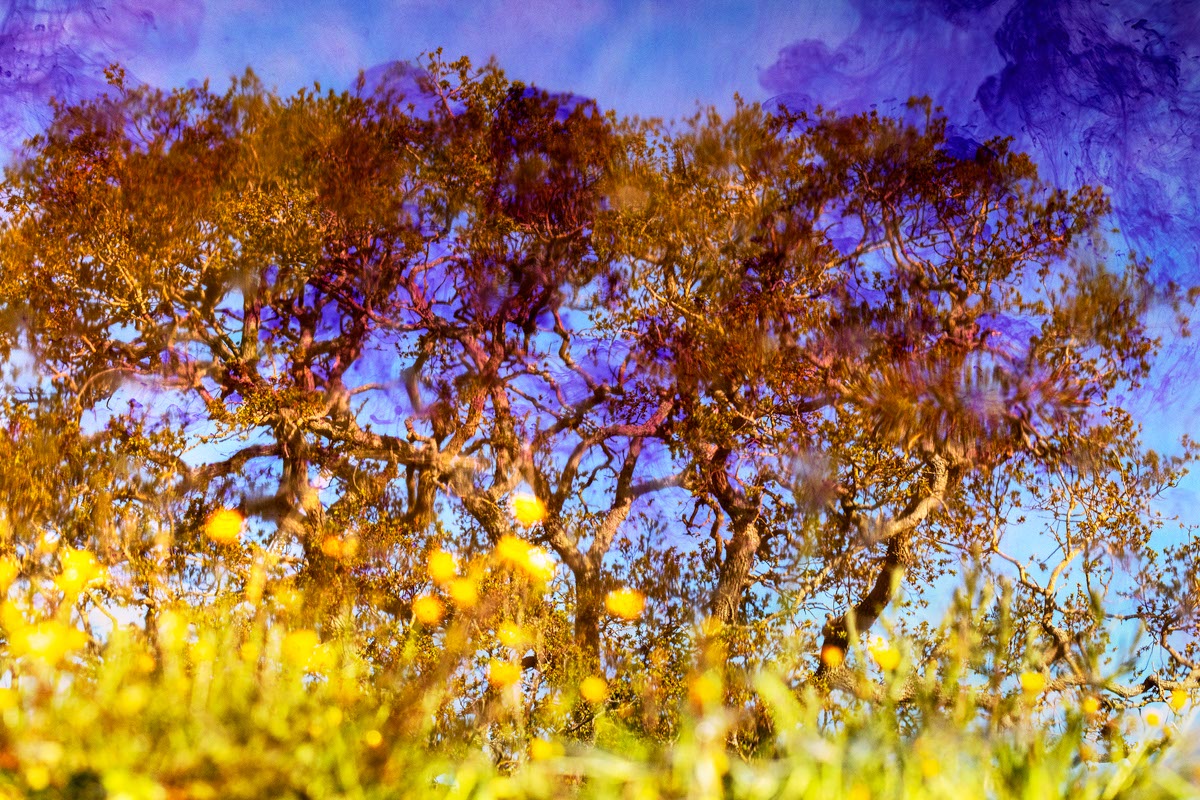
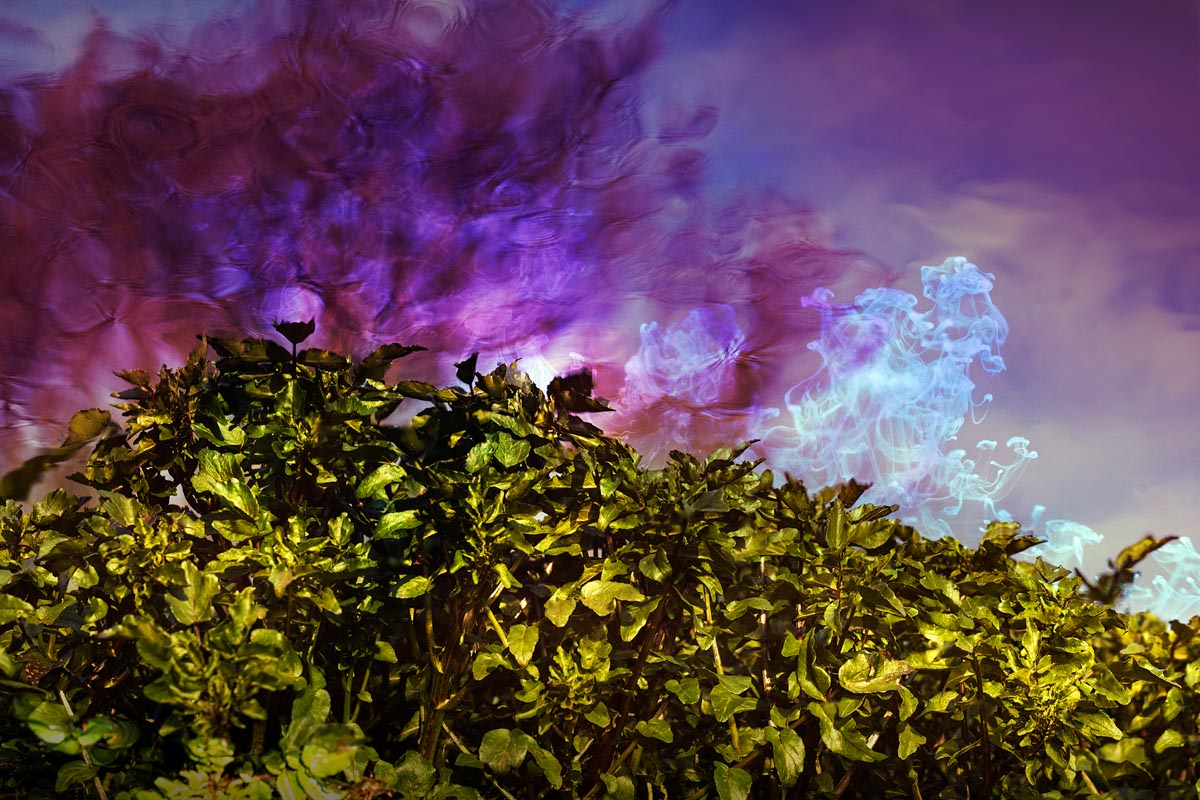
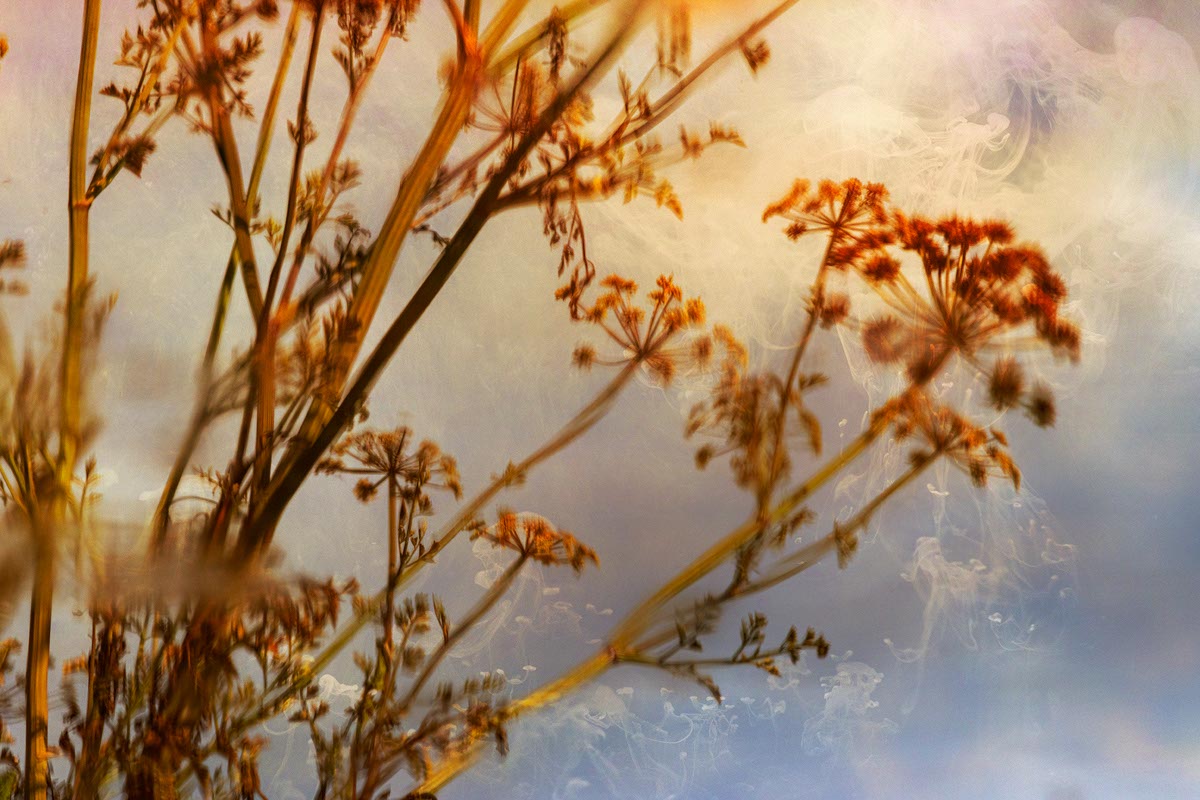
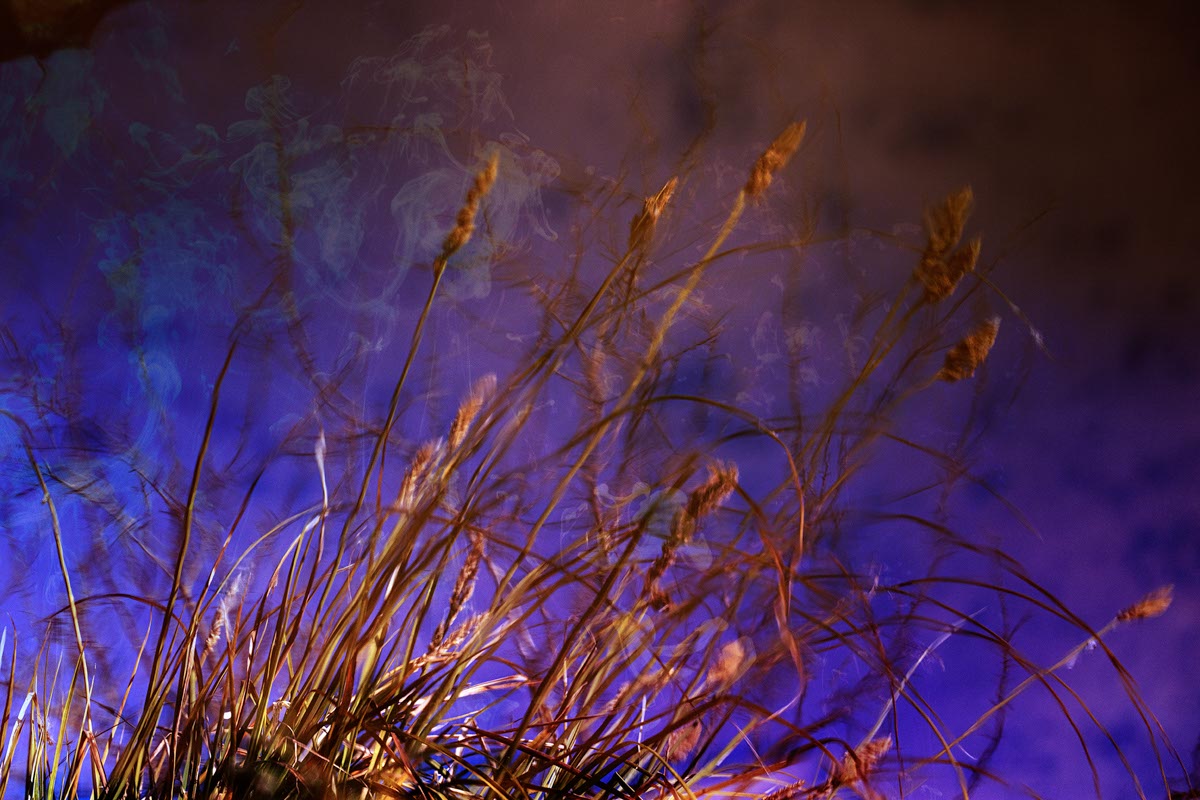
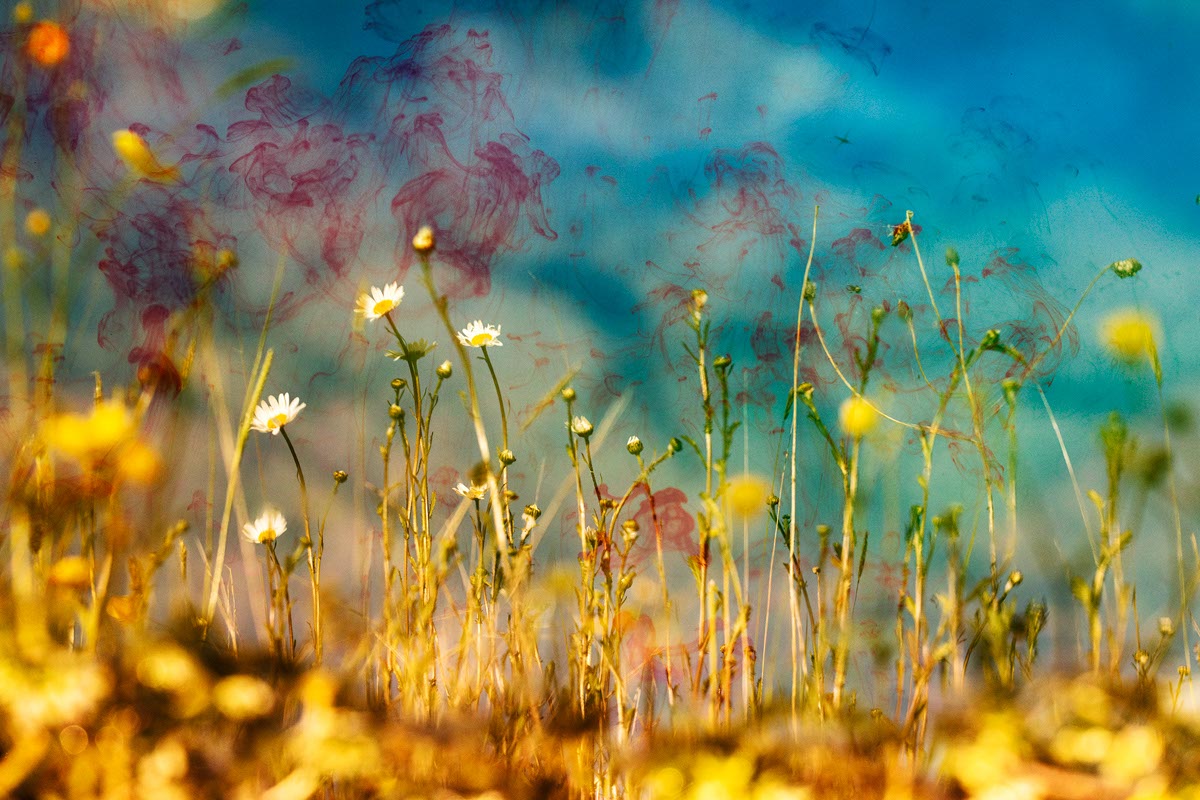
This project reflects on the incredible transformations taking place at Stage Zero; a pioneering river restoration project on Exmoor that reconnected the River Aller with its floodplain to create a thriving wetland habitat.
Wetlands are a vital natural solution to climate change. They boost biodiversity, reduce water pollution, protect against droughts and flooding, and store organic carbon. Sadly, over a third of the world’s wetlands have vanished in the last 50 years but the newly regenerated River Aller floodplain – which has seen a dramatic increase in aquatic habitats and freshwater species in the past couple of years – shows that sometimes humans can make a positive environmental impact.
In 2023, work was completed on a 1.2km section of the River Aller. A straight, artificially managed and deeply incised river channel was filled with sediment skimmed from the surrounding fields, and transformed into a complex and dynamic mosaic of habitats; multiple, cross-connected channels, deep pools, faster flowing riffles and gravel beds. Just eighteen months later, an abundance of vegetation and wildlife has returned to the site: alder trees (for which the River Aller was originally named), Greater Tussock sedge, water voles, lampreys, trout, kestrels, swallows and swifts.
The seven-hectare site acts as an important refuge for nature but it also creates an enormous amount of potential. The potential for plants to flourish and disperse. The potential for animal populations to increase and expand. And perhaps most importantly, the potential for innovative ideas and techniques to proliferate.
The ‘Ripple Effect’ artwork combines science, photography, moving image and field sound recordings (using a hydrophone and biosonification device) to tell the story of this evolving landscape. The vibrant dispersal patterns and shimmering waveforms highlight the fluidity with which plants, animals and ideas can spread beyond their intended range. They act as a ray of light; a symbol for the ecological and ideological effects rippling throughout the landscape.
This artwork was commissioned by the Holnicote Estate as part of the National Trust’s Freshwater Renaissance programme.
